

One of The Same
Plus Anne Carson's latest poem in the LRB, David Marchese interviews Raja Shehadeh, Sheila Hicks, and essays by Gertrude Stein, Jorge Luis Borges, and Mark Twain that I'm reading this week.

In this week’s newsletter: several articles and essays I read this week including David Marchese’s latest interview for the New York Times with Raja Shehadeh, what happens when chatbots go to therapy, Rachel Aviv profiles Oliver Sacks and Lawrence Weschler reaction to her piece on Substack. Plus a chronicle I wrote, a visual library, a movie, and a poem.
Chronicle
Our President (Nosso Presidente)
In the beginning there was no silence. It was loud, far too loud, far too crowded. The line was long. Every person wanted to say something. Something about the President. Something about who they wanted to be President. Something about the war. In their speech there was no trace of not saying anything, of not thinking anything. Of not having an opinion or a disagreement or an agreement.
Existing for them had meant drafting slogans and wearing comfortable shoes to march on the streets for or against anything. They were anything they wanted to be. Being, just being something, anything, made them belong. It was the force of the great majority you see. The voice of rebellion. We want. We need. Give us. Stop this. Start this. Criticize that. Speak up. Fight. They had all entered a place of importunity. But all their remarks were reactions. When you gave them a question: sir, madam, are you blue or are you green. These people felt that either green or blue was the answer. There was no other color outside of this question.
So when the time came to answer the right question. Is it this President or that President, you see, they felt the need to answer. Is this President corrupt or honest, the answer mattered little, because that is the President they were picking. And they were picking this one President over the other President. And soon what mattered to these people was not the grains that were missing on the tables of their neighbors, or the teachers that no longer wanted to present themselves in school, or the policemen who weren’t getting paid, or the entire identity crises of the nation they lived in, it was just the fight between Presidents. What mattered to them was not rather it was right for a man to pee in the mouth of another man in public. It was not rather it was right for a man to chop down the world’s largest natural reserve. What mattered was who won. What mattered was who was right. What mattered was if their vote counted, if they mattered, if they could be agreed on, if they won the argument that night over a beer at the table of the bar. One opinion. One shared desire. One common people. One, unanimous, one answer, one solution, one question, one cognition, one education. One of the same.
New Books
Why I’m Buying These Books
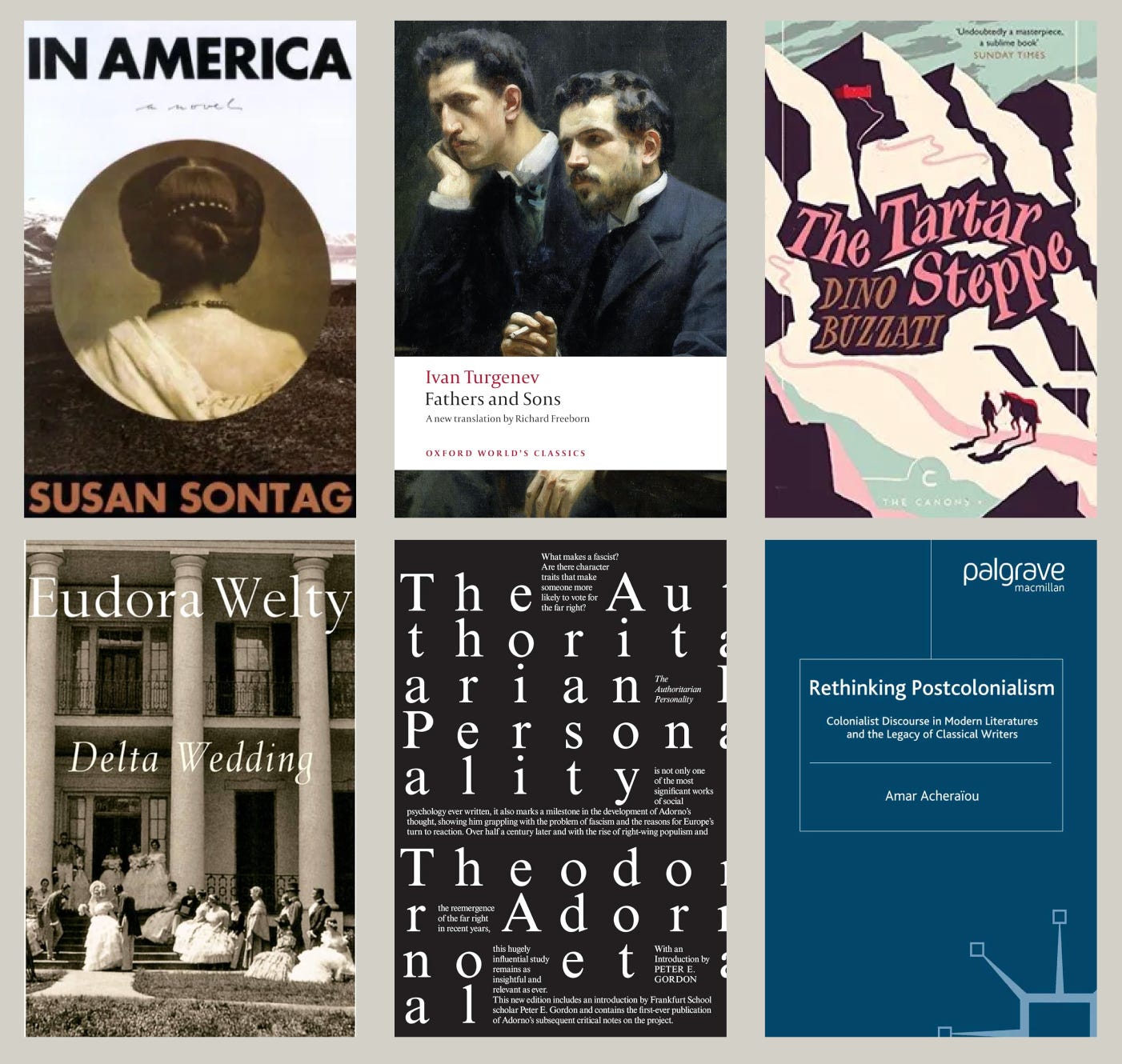
In America by Susan Sontag
After listening to Susan Sontag’s 1999 interview with Charlie Rose on the publication of her novel “In America,” I realized I had never read her fiction, and I became curious to see how she approaches the process of storytelling. At the time, she called “In America” her best work yet.
Fathers and Sons by Ivan Turgenev
I’m still reading Henry James’ “The Portrait of a Lady.” In the introduction, James writes about Turgenev’s influence on the novel, and it isn’t the first time a writer I admire has made reference to the Russian novelist. Virginia Woolf also praised him, notably in a 1934 essay titled “The Novels of Turgenev”, and both Leo Tolstoy and Jorge Luis Borges recommended him as a lifetime essential read. I feel inadequate, as though I’m missing a piece, having never read his work.
The Tartar Steppe by Dino Buzzati
Not too long ago, I was speaking with an Italian couple about the novels of Cesare Pavese, Natalia Ginzburg, and Italo Calvino, and they recommended Dino Buzzati.
Delta Wedding by Eudora Welty
It seems strange to know Willa Cather, Jane Austen, and Virginia Woolf but not Eudora Welty. After watching this 1974 television interview with her I decided to start where Harold Bloom recommended we start, with her novel “Delta Wedding”.
The Authoritarian Personality by Theodor Adorno
It seems more timely than ever to read Theodor Adorno’s study on the psychology of authoritarianism.
Rethinking Postcolonialism by Amar Acheraïou
This book was recommended by a friend during a conversation about colonialist discourse in modern literature.
The Visual Library
Portraits


Currently at Rue de Chabrol
Nine Articles I Recommend

On December 31, the New York Times published Robert Draper’s profile on the Georgia congresswoman Marjorie Taylor Greene, the Republican party’s newest critic. Read
The Louisiana Museum’s video channel interviewed the textile artist Sheila Hicks talking about her work and her thinking. Watch
Rachel Aviv recently wrote about Oliver Sacks for the New Yorker. Sacks’ biographer, also a former New Yorker writer, Lawrence Weschler reacted to Aviv’s approach with a post on his Substack Wondercabinet. Read Aviv and Read Weschler.
In Harper’s Magazine, Rosa Lyster writes about two men who chopped down an old Sycamore tree in England. Read
David Marchese is still one of our greatest living interviewers. At the end of the year, he interviewed the writer, lawyer, and activist Raja Shehadeh on what peace between Israel and Palestine might look like and how to get there: “Start teaching about the other, teaching the literature of the other, teaching that there were times in Palestine when the Jews and the Arabs lived together amicably and peacefully, and they were important times.” Read or Listen
For the NYRB, Kevin Power reviewed David Szalay’s new novel Flesh. Read
Inside a scientific research that sent four artificial intelligence models to therapy: “Chatbots put through psychotherapy report trauma and abuse. Authors say models are doing more than role play, but researchers are sceptical.” Read
Stephanie Wambugu interviewed Brandon Taylor in Bookforum on the occasion of his new book Minor Black Figures. Read
Ruth Scurr wrote a fascinating review of the new book The Rest Is Silence: Enlightenment Philosophers Facing Death by Joanna Stalnaker for the Wall Street Journal. Stalnaker’s book looks into the writings of Enlightenment thinkers as they approached their own death. Read
Six Essays I Recommend
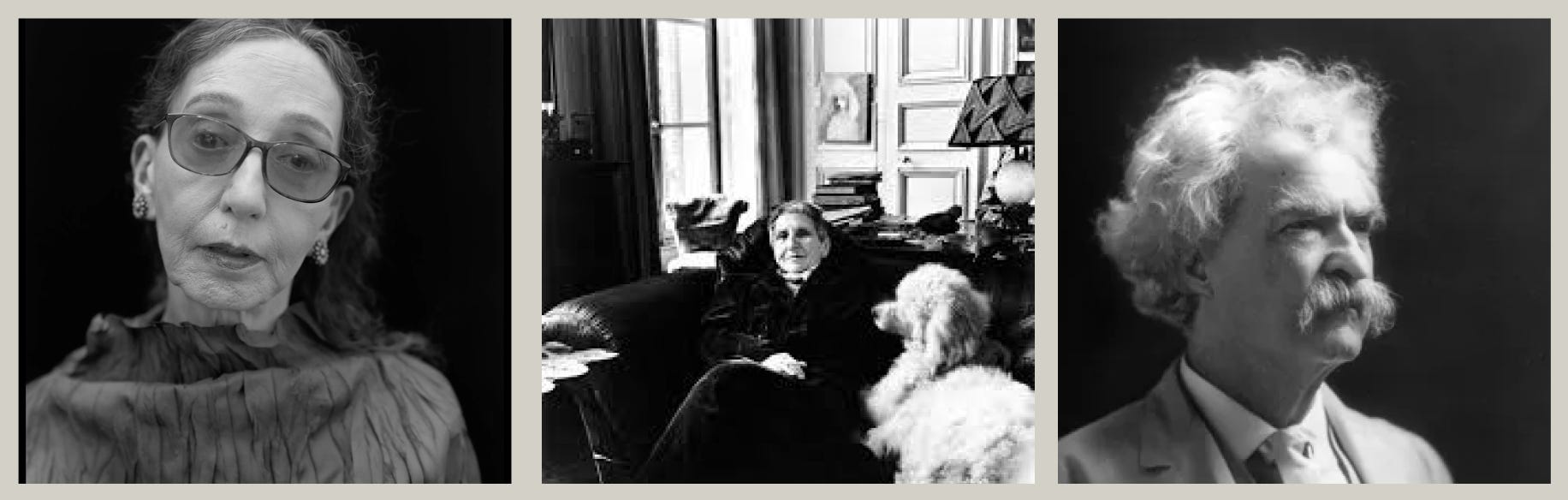
What Are Master-Pieces? by Gertrude Stein. Read
Black Magic and the Academy by Kelly E. Hayes. Read
They All Just Went Away by Joyce Carol Oates. Read
A New Refutation of Time by Jorge Luis Borges. Read
Mr. Bennett and Mrs. Brown by Virginia Woolf. Read
Corn-pone Opinions by Mark Twain. Read
Writing a Novel by Elizabeth Hardwick. Read
My Morning Read
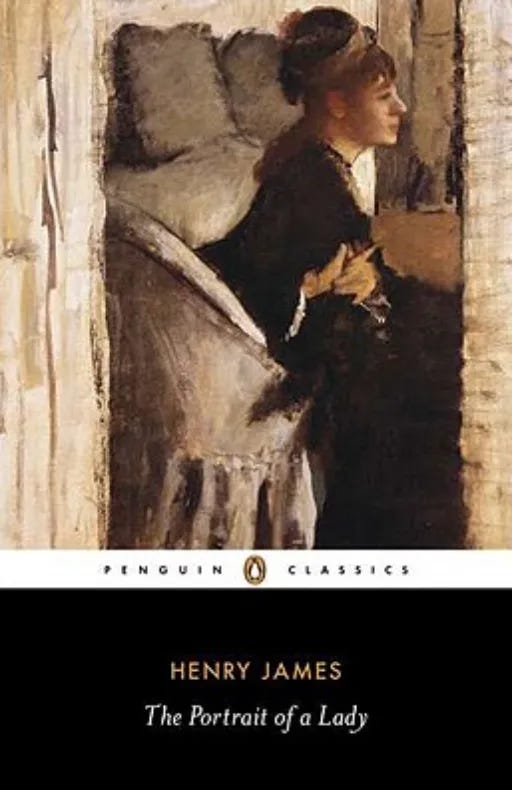
I’m still reading The Portrait of a Lady in the mornings.
My Daughter’s Evening Read
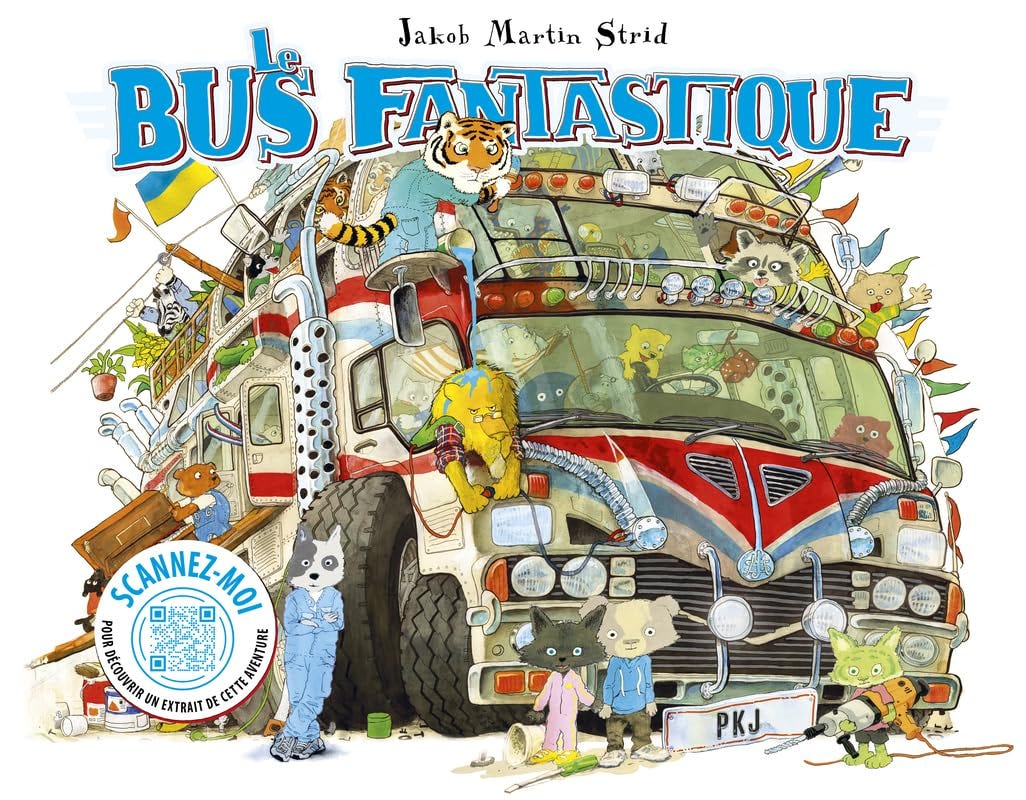
Vita is having a hard time digesting my French accent, so our reading time has taken a small turn. I think this is a normal progression in her development and I know she’ll come to accept my funny accent soon enough. Most of the books she’s obsessed with at the moment are in French and no matter how hard I try to read them to her, she ends up frustrated at the slightest pronunciation mistake. She’s even tried to argue with me that her mispronunciation of the film KPop Demon Hunters, which she came home from school pronouncing in French, was correct. Luckily, her father is here to save us and has been reading to her more. So, according to Dad, her favorite books right now are Le Bus Fantastique and The 101 Dalmatians.
What My Husband is Listening To
Antigone by the Japanese musician Eiko Ishibashi.
A Movie I’m Thinking About
The Others by Alejandro Amenábar (which seems to be inspired by Henry James’ The Turn of the Screw)
A Poem
Lieu Vague by Anne Carson
1
breakfast is ready Dad
happy birthday to you
it’s not my birthday
you better get a move on
sit down Dad
who’s been using my razor
you don’t have a razor
why don’t you just bugger off
sit down eat your eggs
that’s a hot mess
I know you don’t like the yolks so eat the white okay eat the toast
too late too late
Dad don’t cry
you been using my razor
okay yes I got up early to shave off my lips
Read the entire poem in the London Review of Books (published December 25)
This is such a deep well. I'm going to come back and give this some more time to trace all these tributaries.